Lattice, spin, and their interactions with other degrees of freedom are crucial for understanding properties such as thermal transport, thermal expansion, and phase transitions with important science and engineering applications in energy materials, photonic materials, structural materials, and nanosystems.
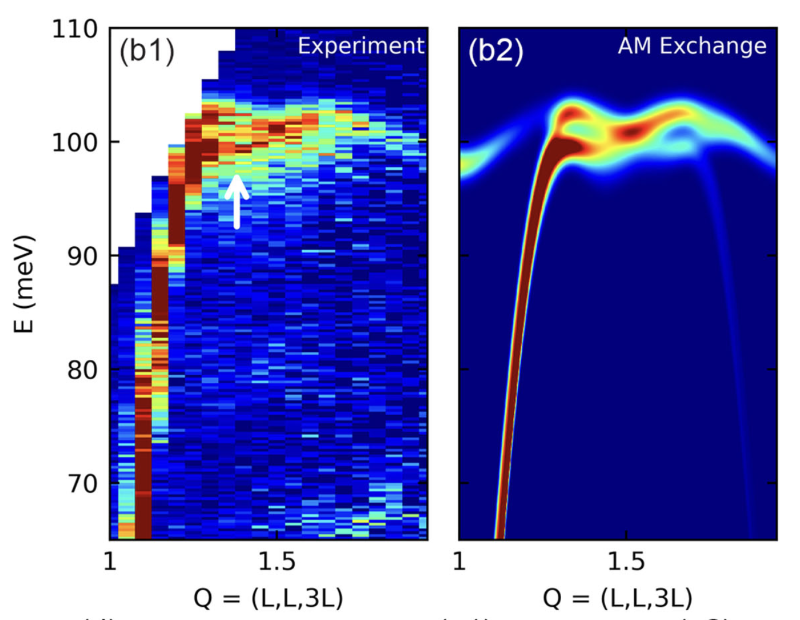
Altermagnetism
Altermagnets represent a newly identified class of collinear magnets with zero net magnetization yet spin-split band structures arising from broken time-reversal symmetry combined with crystal rotation symmetry.
Application: spintronics, unconventional magnetism, quantum materials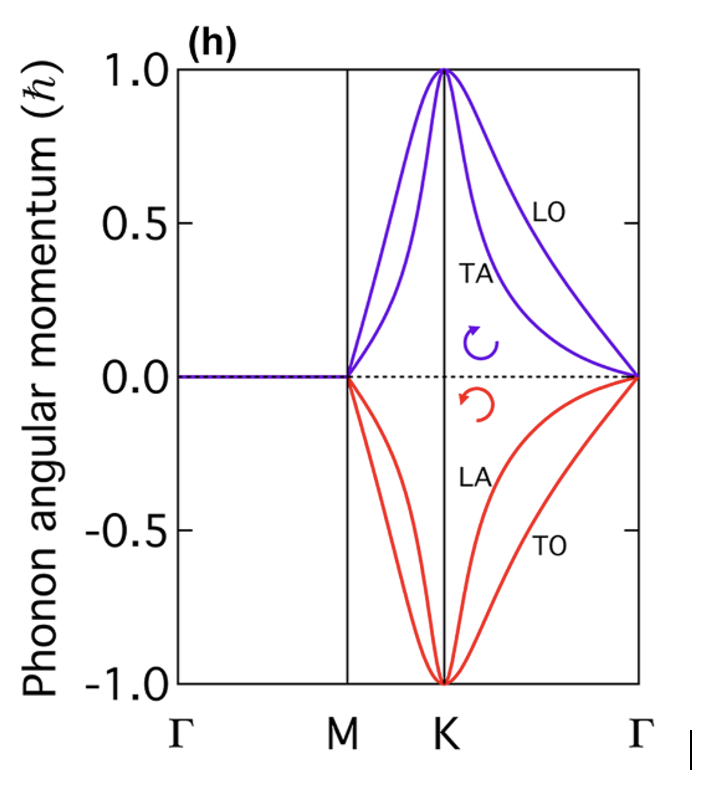
Chiral Phonons & Magnons
Chirality in lattice and spin excitations gives rise to phonons and magnons carrying angular momentum. We use polarized neutron and X-ray scattering to probe chiral dynamics and their role in angular momentum transfer and topological transport.
Application: spintronics, topological phononics, angular momentum transport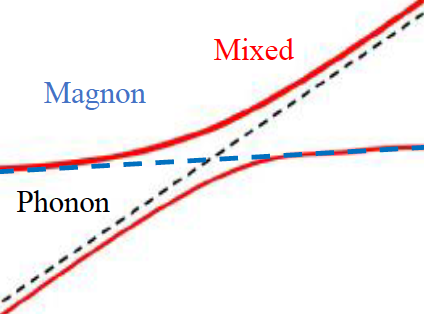
Spin-Phonon Interaction
Spin waves (magnons) and phonons are strongly coupled in many ferromagnetic and antiferromagnetic structures.
Application: controlling heat flow on the nanoscale, manipulating spin coherence, spintronics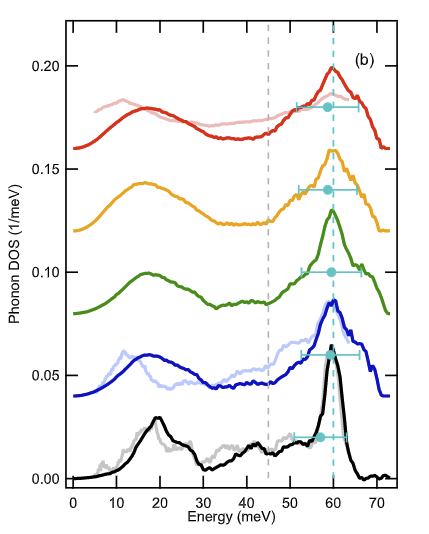
Phonons in Low Dimension
Lattice dynamics is significantly affected by the dimension of materials through phonon confinement and structural modification. We investigate phonons in 2-D (thin films, superlattices), 1-D (nanothreads), and 0-D (quantum dots, nanoparticles).
Application: photonic materials, structural materials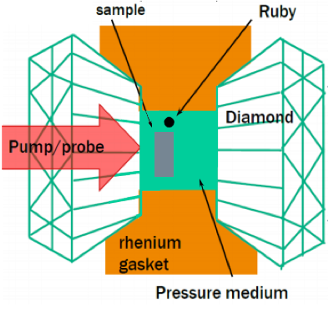
Materials Under Extreme Environments
We study the structure, dynamics, and transport under extreme pressure, temperature, and magnetic field for energy applications.
Application: phonon engineering, photonics, van der Waals materials, thermoelectrics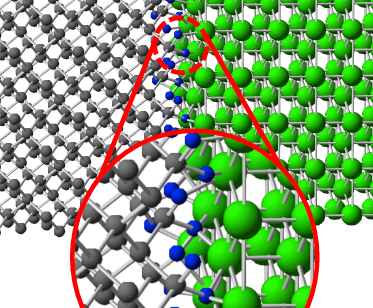
Interfacial Thermal Transport
We study the effects of phonon anharmonicity on the interfacial thermal conductance.
Application: power electronics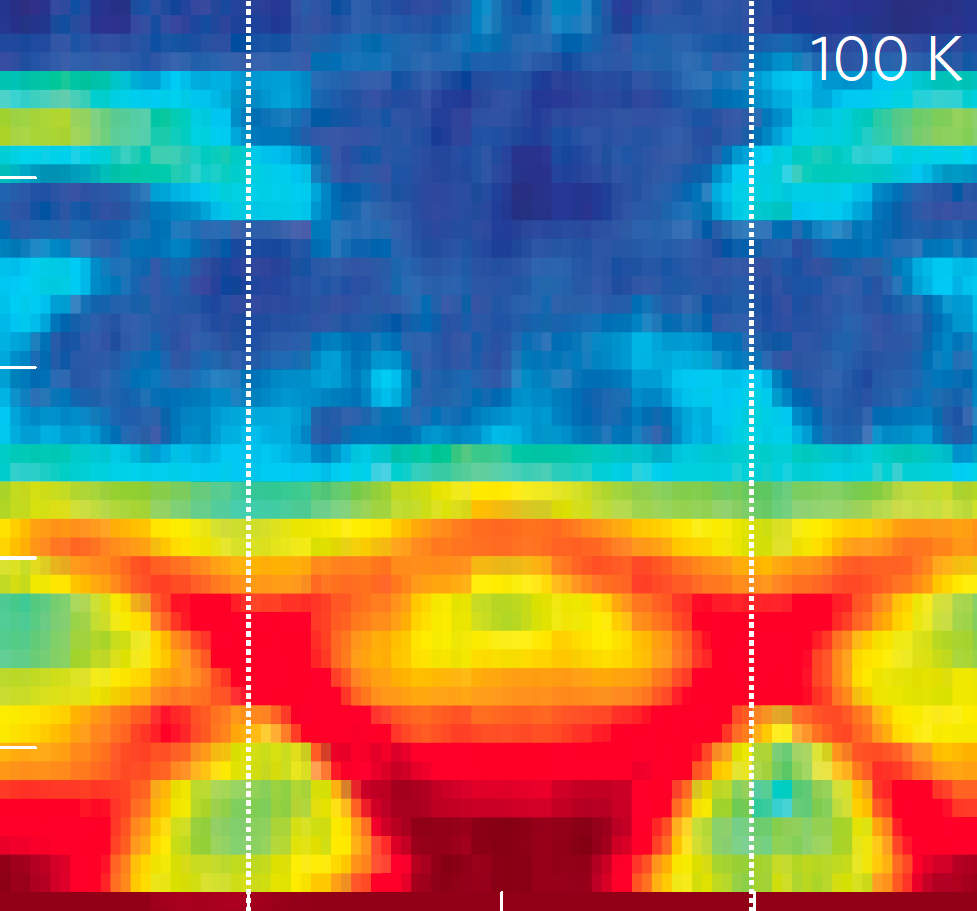
Phonon Engineering
Lattice dynamics can be suppressed by phonon nesting, resonance, nanostructure, doping, and many other approaches.
Application: thermal management, thermoelectrics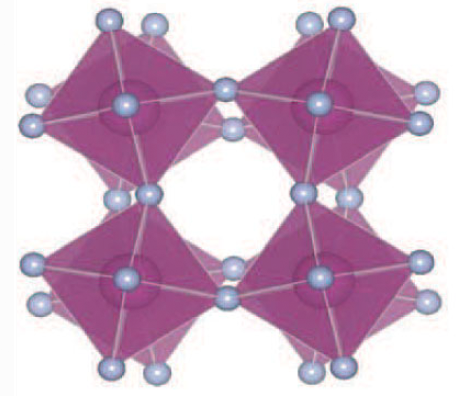
Negative Thermal Expansion
Exotic phonons may induce negative thermal expansion in structural materials through anharmonicity.
Application: controlling the thermal expansion of structural materials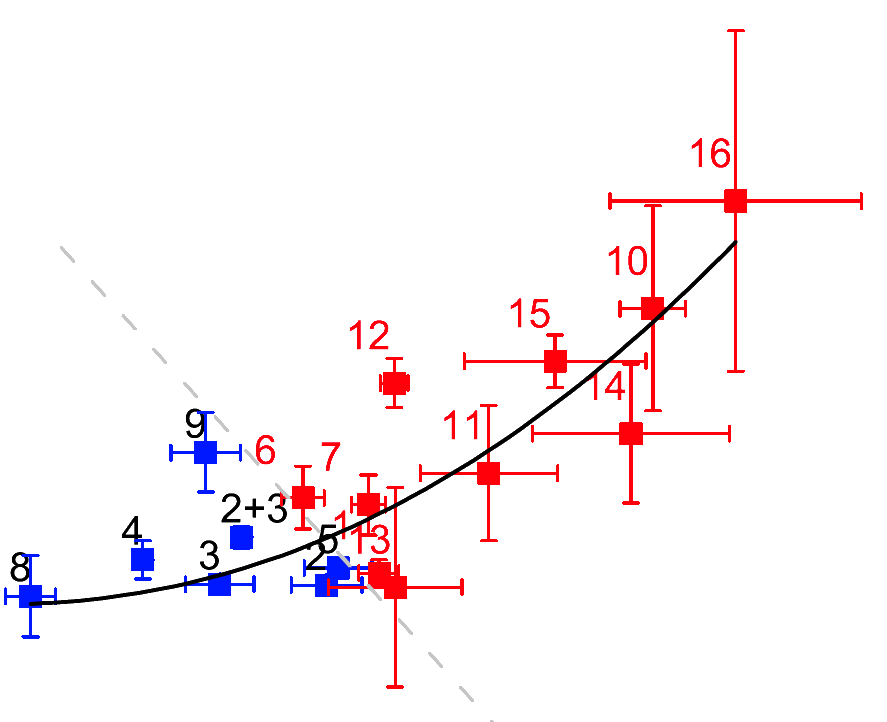
Phonon Anharmonicity & Lifetime
Anharmonicity of materials can be probed by their temperature and pressure response, and lifetime.
Application: correlating anharmonicity with thermodynamic effects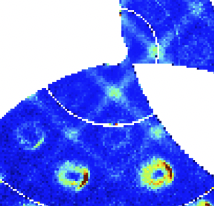
Magnetic Frustration
Frustrated magnetic ordering in antiferromagnetic materials allows abnormal spin fluctuations and competing ordering.
Application: spintronics, quantum materials